

Transgender students face hurdles in the housing selection process
Housing selection is stressful for many University of Maryland students, but for transgender students, the process can be even more so.
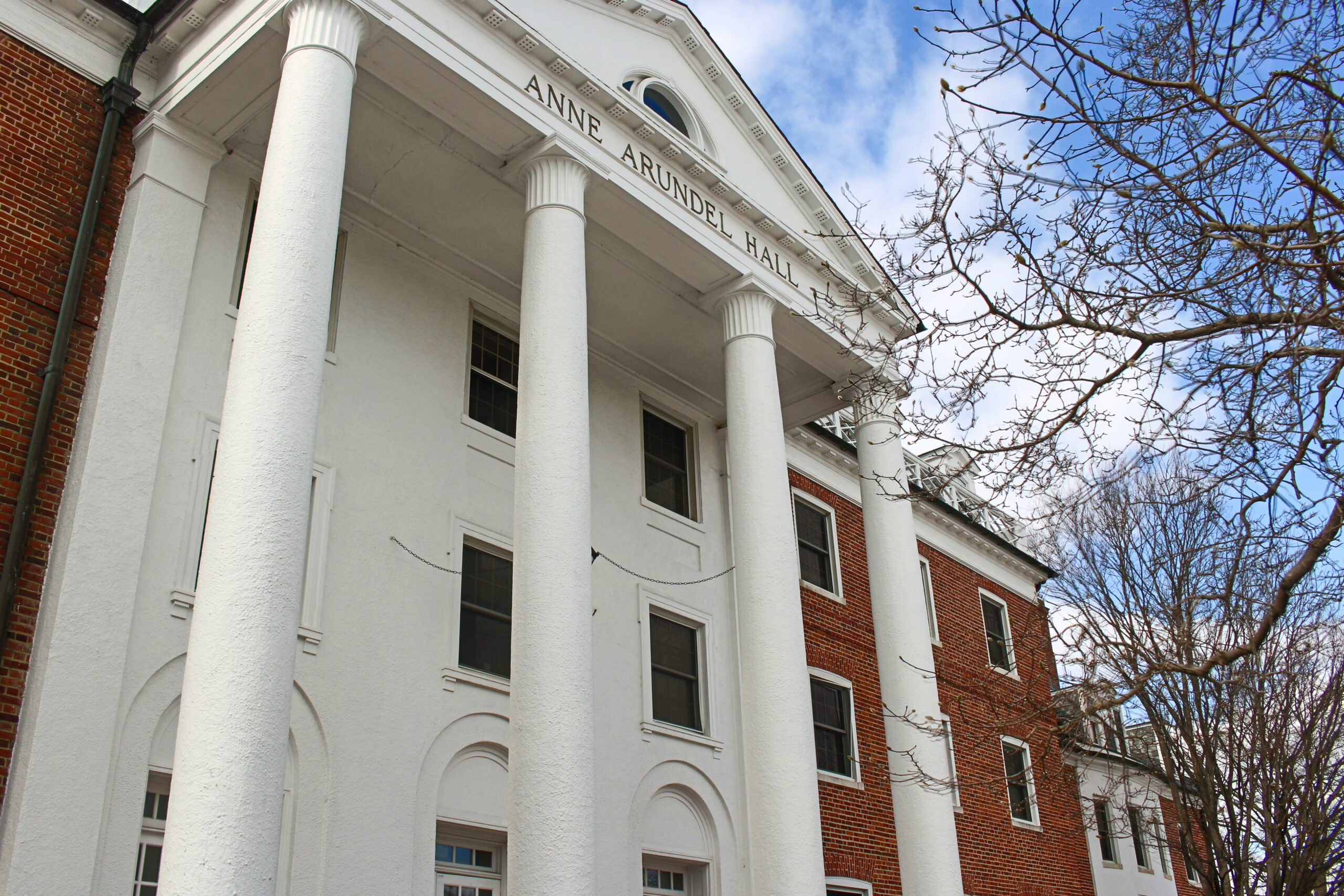
Kaleb Hubler, a transgender man, said that for the past two years, he’s lived on a female-only floor in Anne Arundel Hall. The situation has been awkward, he said, and he worries about making female residents feel uncomfortable.
“I had someone walk by… and they commented on my neighbor’s door and my door [saying] like, those aren’t female names,” Hubler, a sophomore English and philosophy, politics and economics major, said. “‘What are they doing on this floor?’ It was a very awkward situation. I’m like, ‘Oh, I don’t want to go talk to people now, because I don’t want to make them uncomfortable.’”
Hubler said that when he chose his sophomore year housing, there was no indication that the floor was female-only.
Along with housing, Hubler said that there were also issues with bathroom access. He uses gender-neutral bathrooms for safety reasons and for the comfort of female residents. With only two gender-neutral bathrooms in his dorm, Hubler shared that he often dealt with longer wait times for usage. He said he’s still lucky, however, as many students do not have the same access.
“It’s miserable when [I’m] trying to plan my evening, and I’m just sitting there waiting for showers,” Hubler said.
Hubler and three of his friends, a mixture of cisgender women and trans men, also encountered issues during this year’s housing process.
Aoife Gill, a cisgender woman and one of Hubler’s friends, said that the university’s Department of Resident Life informed the group that they would have to split up to register for housing. However, when separated, they were given fewer housing options if Hubler or Connor Grabowski, another transgender man, was included in a group.
“So we’re like, we’re pretty sure we’re noticing the pattern here,” Grabowski, a sophomore art history and chemistry major, said.
The group then had to choose less-than-ideal housing situations. Gill said she was also anxious that the people assigned to share her and Hubler’s six-person apartment suite in Leonardtown would not be nice to him.
“I was, at that point, just fully preparing myself to be Kaleb’s shield for a year, in case anyone was a bigot in that room because we had no idea who these women were,” Gill said.
She and Hubler met with someone from the LGBTQ+ Equity Center, who helped them rectify the situation by contacting someone at Resident Life. The four friends are now able to live together next year, but Grabowski said he hopes the university can make the process more transparent.
In a statement, Resident Life said that they have a liaison to support LGBTQ+ students with housing, and that they work with the LGBTQ+ Equity Center to include information about housing on their website. They also stated that the timing of a student’s housing selection can impact the availability of housing options.