

How Maryland is fighting to protect the ballot
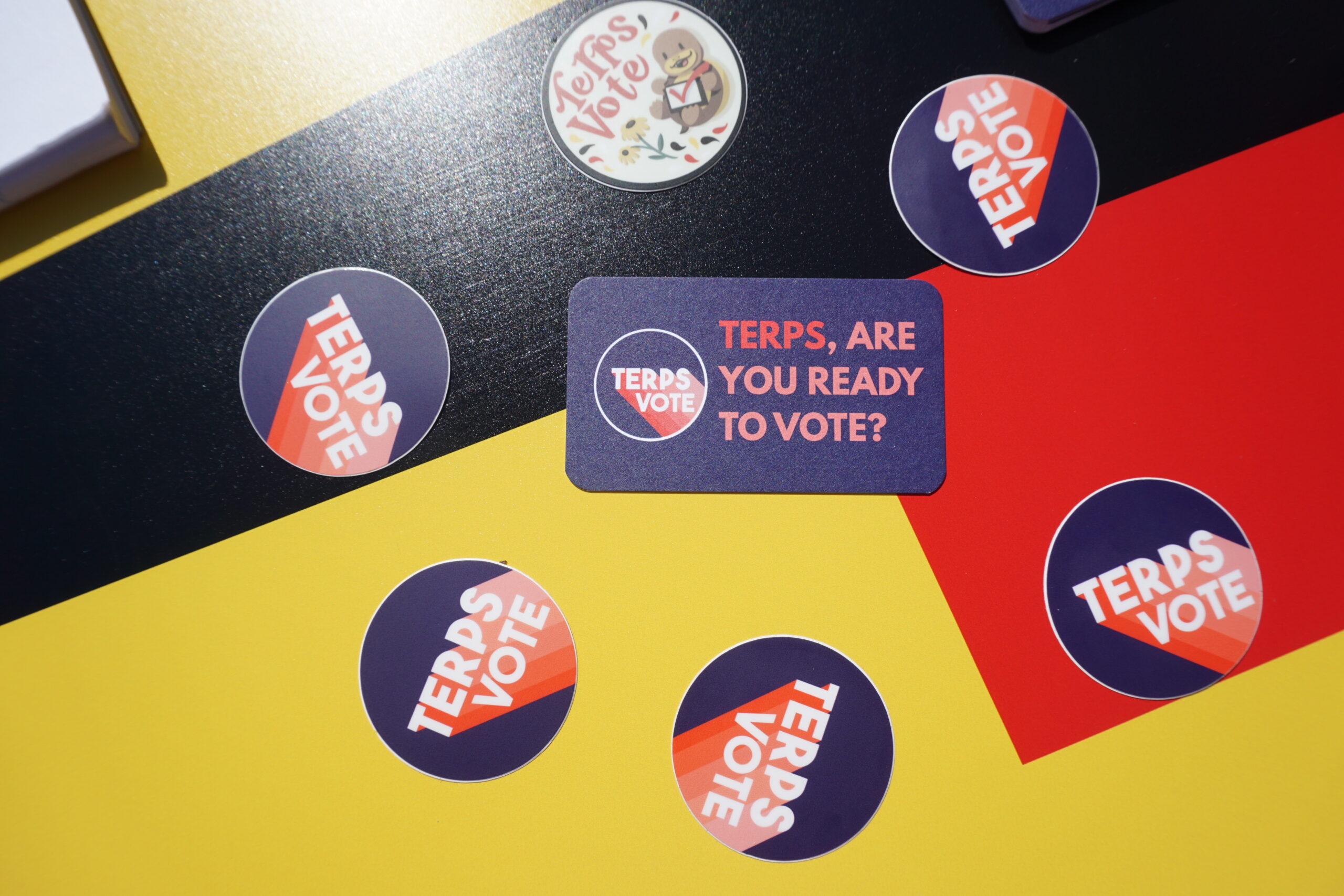
At the University of Maryland, some students worry about the direction of this country and if their vote will make a difference.
A 2026 survey found that young Black voters face more barriers during election season than any other demographic. These challenges have become exacerbated by a recent Supreme Court decision eroding voting rights protections for marginalized communities.
Jaidon Faircloth, a freshman government and politics major, said that he heard students saying they won’t vote because they feel their vote won’t make a difference. When asked what advice he would give to people uncertain about voting he said, “It doesn’t hurt to vote… it’s better to express your views rather than not.”
The Supreme Court’s decision in Louisiana v. Callais has raised concerns about the future of minority voting powers. The decision significantly narrowed how Section 2 of the Voting Rights Act can be used to challenge redistricted maps based on racial makeup, setting higher hurdles for voter dilution claims.
The Voting Rights Act of 1965 was passed during the height of the civil rights movement. The law prohibited discrimination in voting based on race and outlawed literacy tests and other discriminatory practices. The court’s recent ruling has raised concerns about whether Black voters will retain their voting power.
Maryland has one of the largest Black populations by percentage among U.S. states. During the 2026 session, the Maryland General Assembly passed the Maryland Voting Rights Act. The act prohibits discrimination of protected classes (members of a race, color or language minority group) in voting systems and establishes tools to use if a county is impairing one’s right to vote.
Governor Wes Moore has said that he signed this bill into law because “we refuse to wait for Washington to do the right thing. We will use every tool available to defend the constitutional right to representation, protect access to the ballot, and ensure that every Marylander has an equal voice in our democracy.”
Oluwatobi Adeyole, a sophomore biochemistry major, says that she expects minorities on campus to be more likely to vote to fight against what the administration has been doing.
Her advice to students who are uncertain about voting is that “every vote counts, but the biggest thing is to do your research first. You shouldn’t be swayed by what you see online, what your parents tell you, what your friends tell you. You do your own research and make your own opinion about people.”
Several groups at the university are making efforts to combat these barriers and are trying to make voting more accessible for the Black community. Terps Vote, Black Girls Vote and the National Association for the Advancement of Colored People’s are all nonpartisan organizations on campus who are making efforts to get students on campus ready to vote.
So what can you do?
- Register to vote and check your voter information. Make sure your registration is up-to-date and that you know what information you need before Election Day.
- Volunteer with student organizations. Many organizations such as Black Girls Vote, Terps Vote Coalition and the NAACP are making efforts to make sure as many Terps are registered to vote as possible.
- Determine method of voting. Look-up your polling place or if you are voting absentee to request a mail-in ballot.
- Encourage others to vote. Talk with friends and classmates about the importance of voting.