

UMD Students Divided On Maryland’s Question 3
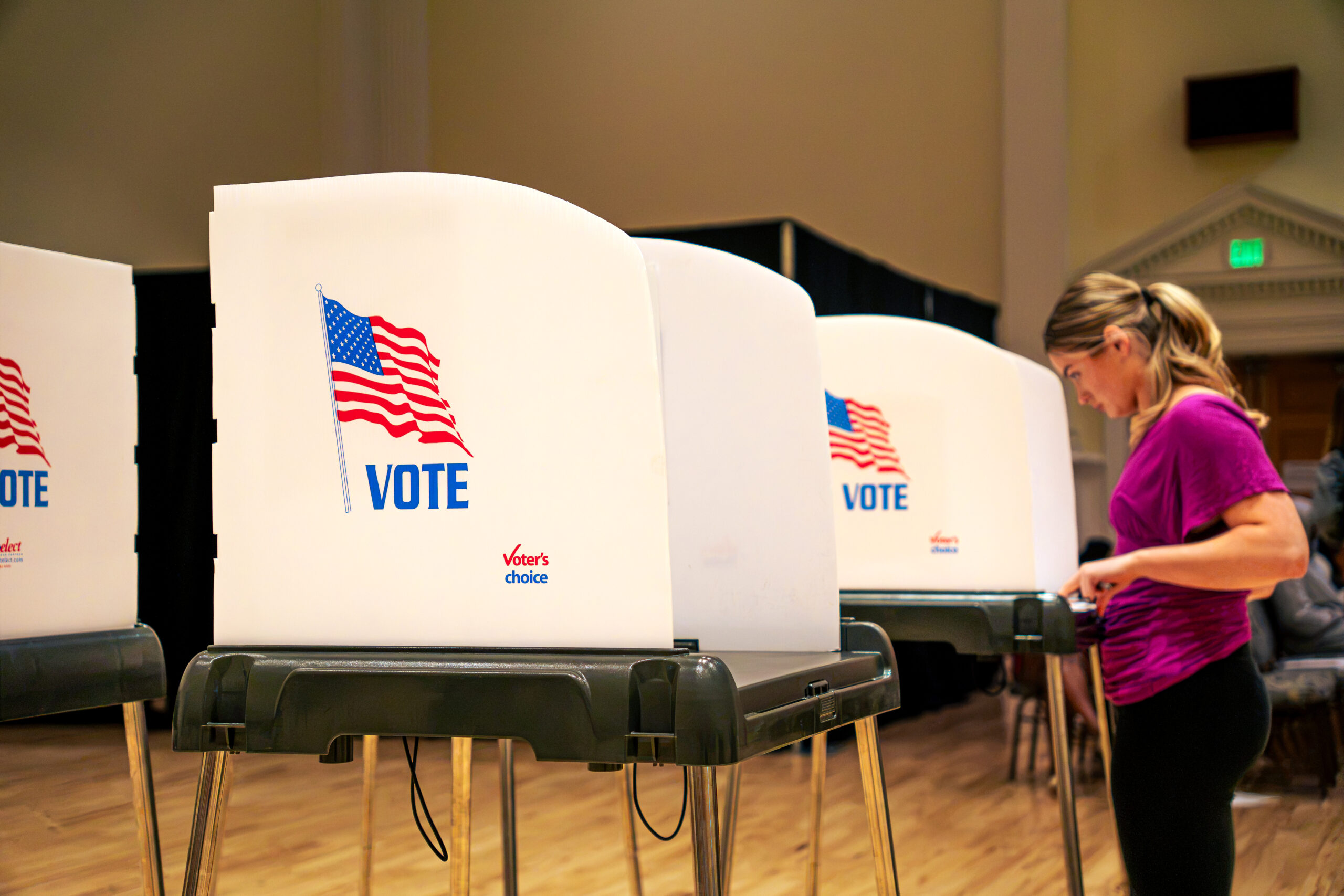
Over 60% of Marylanders took to the ballot box and voted “Yes” on Question 3, loosening restrictions on political gerrymandering in the state. The result from Tuesday’s election follows a trend in several other states in recent years: redrawing maps to increase political power.
Maryland lawmakers are looking to create a Democratic seat in the Republican-dominated 1st Congressional District. Many politicians, including former President Barack Obama, have encouraged voters to vote “Yes” on this new amendment. The Democratic Party hopes to gain another seat after many Republican states such as Texas began changing their maps to benefit the Republican Party.
Students have been divided on this issue and its potential effects.
Some students support this amendment, including Anjola Olatunji, a freshman public health major. She thinks this amendment is a good measure for the state to take and to combat the Republican Party.
“This [amendment] kind of highlights the opportunity for Maryland residents to stand up and have their own voices as well,” Olatunji said.
Maryland has been a strong Democratic state for several decades, with the last elected Republican president being George H.W. Bush in 1988. The state had a Republican governor, Larry Hogan, a few years ago, but remains majority-Democratic at the national level.
Some Maryland residents and students are conflicted about the amendment, believing it could disrupt the balance of power or go against the Democrats. This includes freshman government and politics major Nate Miller.
“There are no gaps to stop [the government] from gerrymandering to their heart’s content,” Miller said.
Redistricting is not unusual, since it happens after the ten-year census, but heightened political tensions have driven many states to take new measures in their congressional landscapes to further support a particular political party.
Because the amendment’s passage only gives the legislature the ability to favorably redraw maps the change may not affect the state immediately but it will have long-lasting effects heading into the 2028 presidential election.