

Who Gets to be Human?
The views expressed in this column are those of the author.
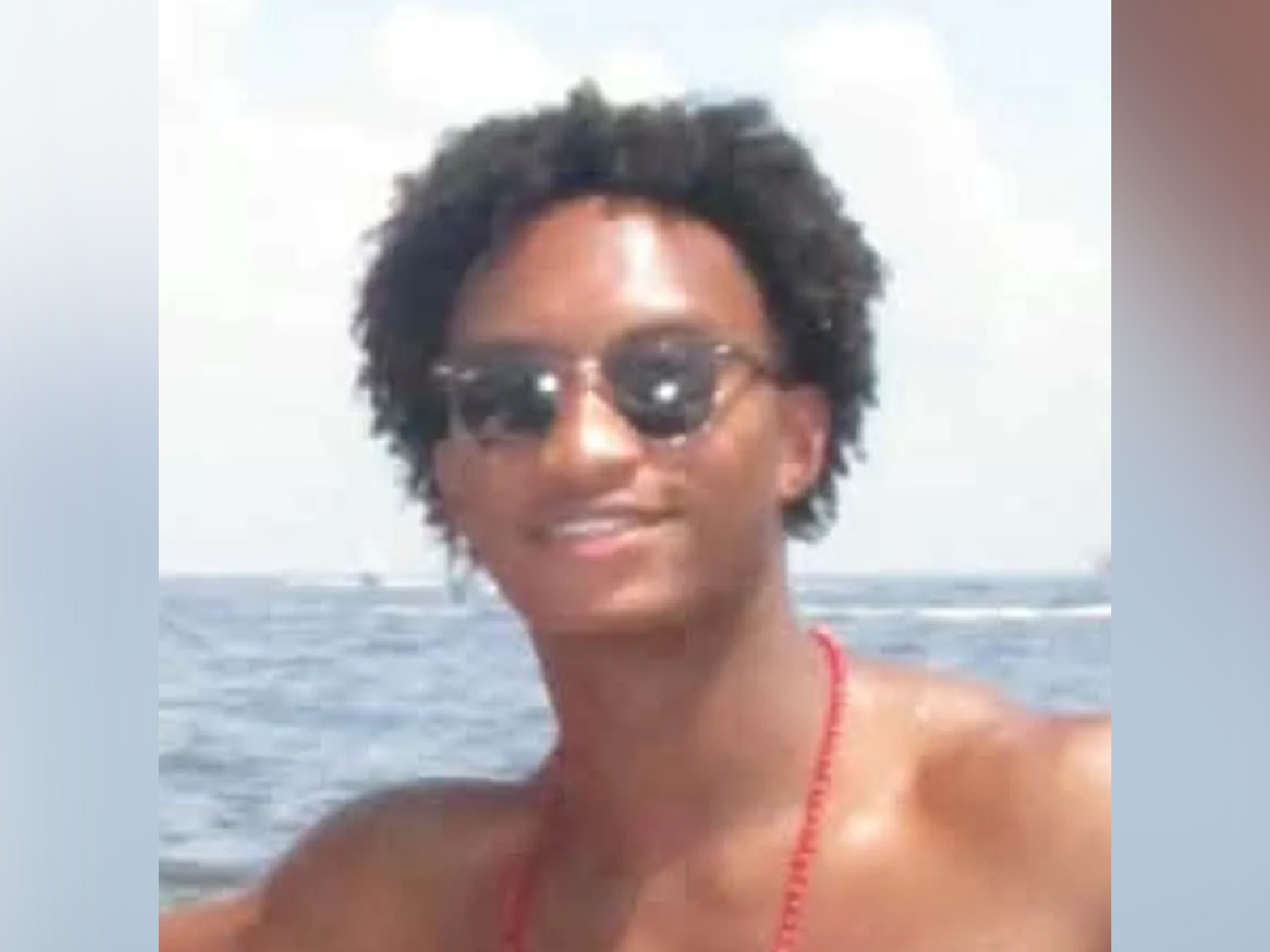
There is a particular kind of exhaustion that comes with being Black in a society where our grief is often met with silence, our losses with unanswered questions and our demands for justice with resistance. The dismissal of the Nolan Wells case is more than a legal development. It is another moment that forces us to confront an uncomfortable reality: to America, some lives are worth fighting for, and some deaths are expected to become just another headline that eventually fades away.
For the Black community, the outrage surrounding this case, and many cases like it, is not just about one individual or one court decision. It’s about a larger pattern of uncertainty, distrust and the expectation that we should learn to live with loss without demanding accountability. When a Black life is lost under alarming circumstances, the public should not be expected to move on simply because a case has reached a legal conclusion. Grief is not a substitute for justice, and silence is not acceptance. Justice is something the Black community deserves and has every right to demand.
What do we do when Black people are under attack?
The dismissal of Black grief reveals itself in different forms. Sometimes it’s as blatant as a full-blown murder. Other times, it’s much quieter and more subtle. It’s being the only Black person in a classroom, realizing your perspective, and sometimes your entire being, are rarely acknowledged. It is being a minority at the University of Maryland, where students are expected to feel like we belong while at the same time witnessing an administration that condemns white supremacy with a slap on the wrist and vague, cookie-cutter statements. They’ll take our money but won’t take our protest. They’ll take our pictures but won’t take our voices.
Stand up, fight back
What do we do? What we have always done. We stand up, speak out, organize, protest and fight back.
“UMD students storm president’s speech to protest racist image shared by club tennis team,” reports the Baltimore Banner.
“Hundreds march from Biloxi to Ocean Springs, calling for justice for Nolan Wells,” reports Mississippi Today.
“Bronx students stage walkout after murder of 15-year-old Javits Frimpong,” reports ABC7NY News.
The common denominator in all of these headlines is that, in response to injustice, Black people continue to fight for each other’s rights to be treated with dignity and to be treated as human.
We are marching the same march as our ancestors, demanding the same basic protections, recognition and accountability. Different headlines, different cities, different generations, but somehow still the same fight.
The most disappointing and heartbreaking part of it all is that Black people are expected to seek justice and console the losses of everyone except for ourselves. We are expected to extend empathy to the world while constantly having to convince that same world to extend it to us.
In memoriam
Writing about the constant violence Black people around me is exhausting. Facing the prejudice and discrimination myself is extremely disheartening. That being said, I will not allow my voice to be silenced, their names to be forgotten and justice to be forsaken. Constantly reminding the world of your humanity is a heavy burden, but I bear it willingly, no less. They’re not statistics, political talking points or moments of fleeting outrage. They are people who deserve to grow up, be protected, be heard and now be remembered.
Justice for Nolan Wells. Justice for Jatvits Frimpong. Justice for the University of Maryland’s Black students.